
Rations and digestive balance
Review feeding programmes, raw materials and ration transitions in their production context, with attention to ruminal microflora and digestive integrity.
Advanced Technology Company supports animal nutrition professionals with a structured portfolio and an understanding of international markets.
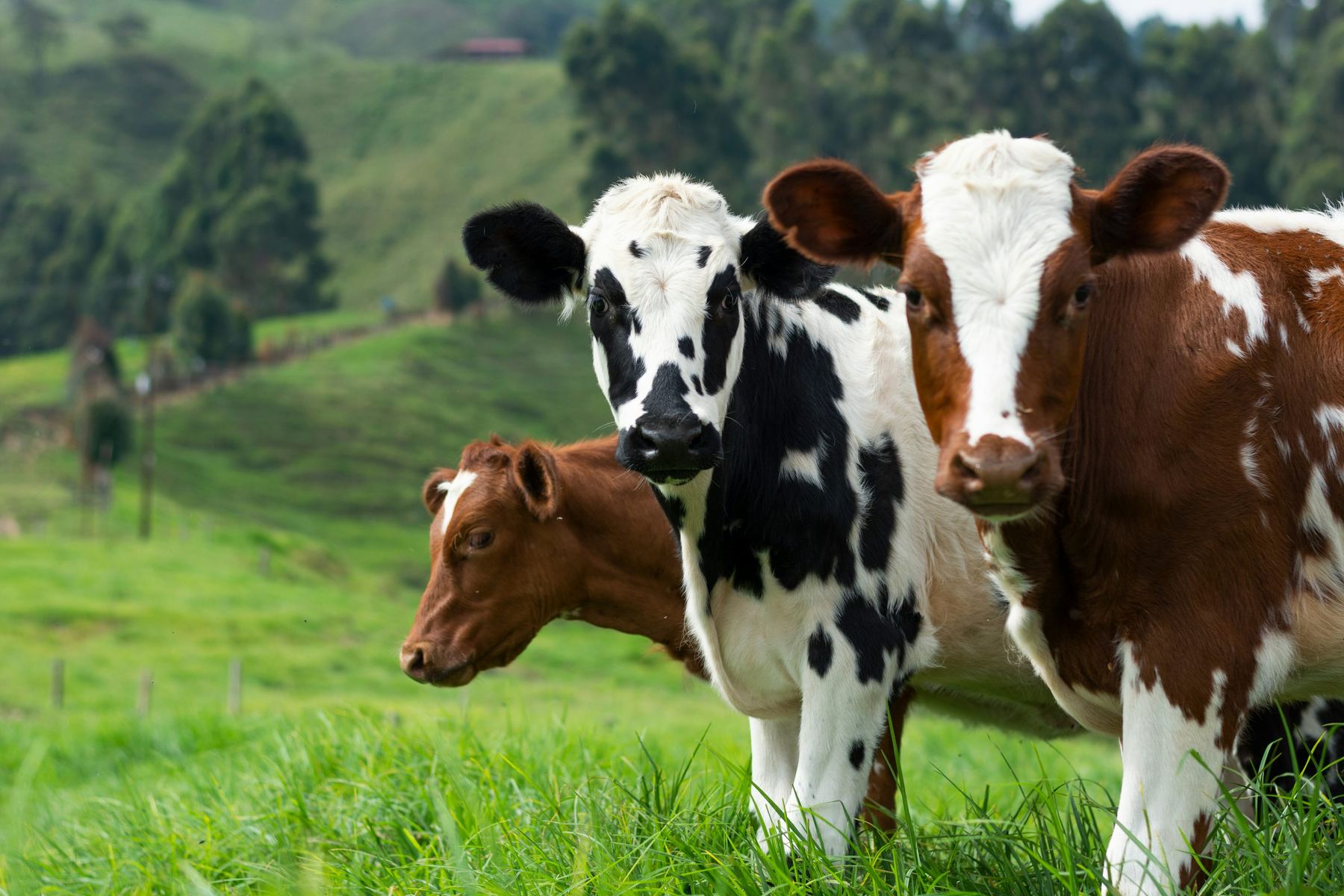 Illustration photography
Our work addresses distributors, importers, veterinarians, livestock professionals and feed manufacturers.
From selecting a reference to discussing its packaging, we organise the information your project needs. Each formulation must be considered in the context of the species, feeding system and requirements of your market.
A structured view of formulations and their documentation.
A portfolio organised for poultry, ruminants and aquaculture.
Conversations shaped around the requirements of your international markets.
CEO & Co-Founder
An identified contact for your animal nutrition projects and commercial discussions, based in Mâcon, France.
Save my contact detailsAround twenty years of experience
A seasoned veterinarian and ATC co-founder brings around twenty years of experience in formulation for animal nutrition to our partners.
That expertise supports a structured approach, from field-needs analysis through formulation decisions, technical support, and technical and nutritional audits. The aim is to help teams make informed choices through a practical understanding of their operational constraints.
A cross-disciplinary view of animal nutrition, connected to sector needs and formulation work.
Talk to our teamUnderstand the production context before considering a formulation. Our support combines needs analysis, technical information and field understanding.
Review feeding programmes, raw materials and ration transitions in their production context, with attention to ruminal microflora and digestive integrity.
E. coli, clostridia and staphylococci are among the topics addressed in our technical discussions, alongside the nutritional and sanitary constraints of production.
Connect formulation choices with the needs of dairy and beef cattle production. Milk production, growth and feed quality are among the criteria considered.
Compare formulation documentation with field realities: feeding systems, changing rations, production constraints and market requirements.
These areas describe our technical support, not guaranteed effects of an individual product.